science & techNASA
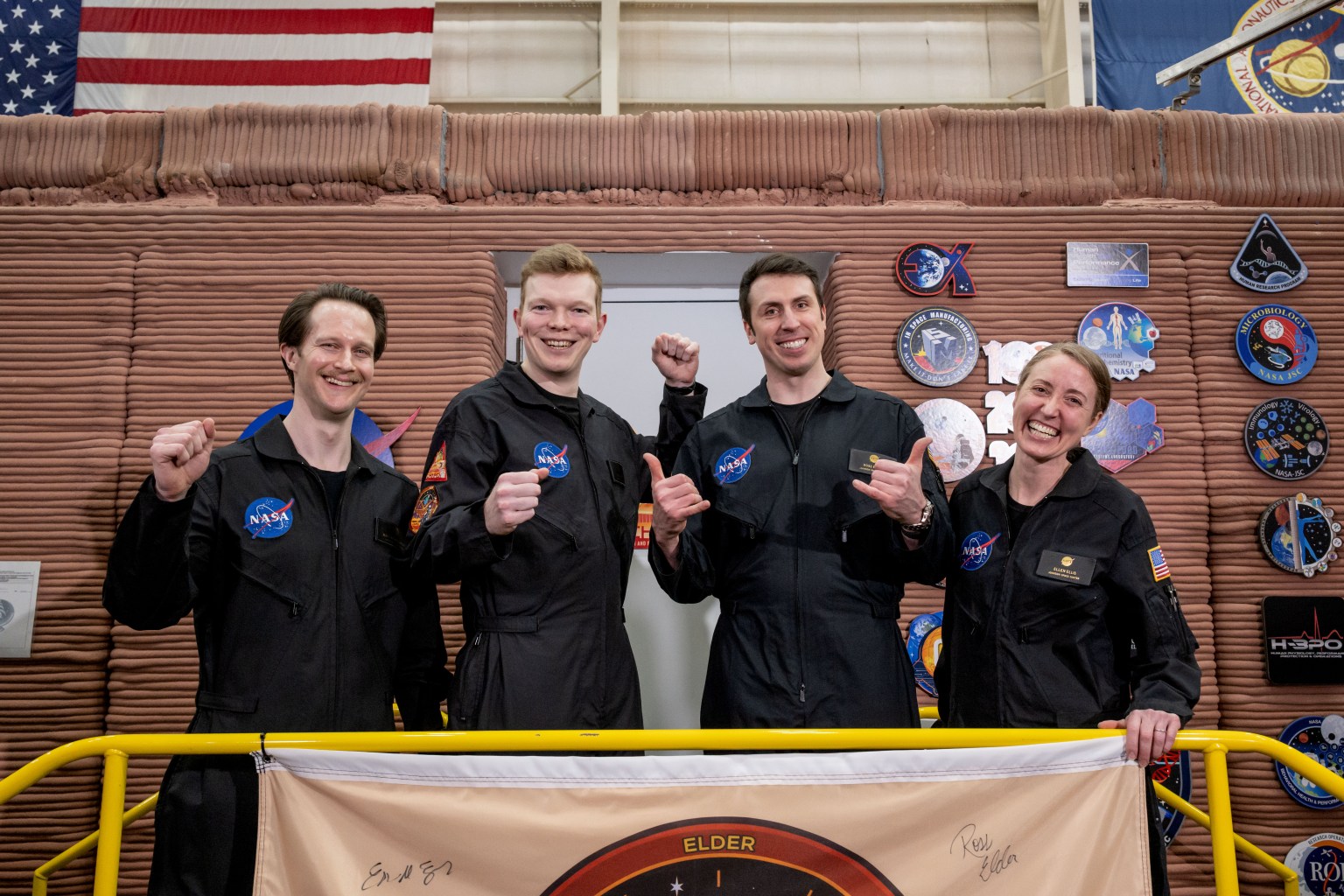
CHAPEA Mission 2 Crew Reflects After 378 Days on Simulated Mars
Four NASA research volunteers left the Mars Dune Alpha habitat on October 31 after 378 days of simulated Mars surface life. The 3D-printed habitat, about 1,700 square feet, was kept without windows, outside sounds or real-time calls with family. The crew completed the agency's second yearlong Mars surface simulation. The mission tests how people cope with isolation, confinement and communication delays on a future trip to Mars.
Missions like this show what a crewed Mars trip could demand psychologically and logistically. The data will help NASA plan habitats, routines and support for astronauts on much longer journeys.
background
The Crew Health and Performance Exploration Analog (CHAPEA) is a series of missions conducted by NASA simulating missions on Mars. It consists of three missions, the first of which began on June 25, 2023. The mission is contained in a hangar at the Johnson Space Center in Houston, Texas. Efforts to mimic a real Mars mission include a 22-minute delay in communications, resources limitations, simulated equipment failures, and simulated spacewalks.
From Wikipedia: Crew Health and Performance Exploration Analog (CC BY-SA 4.0) ↗


